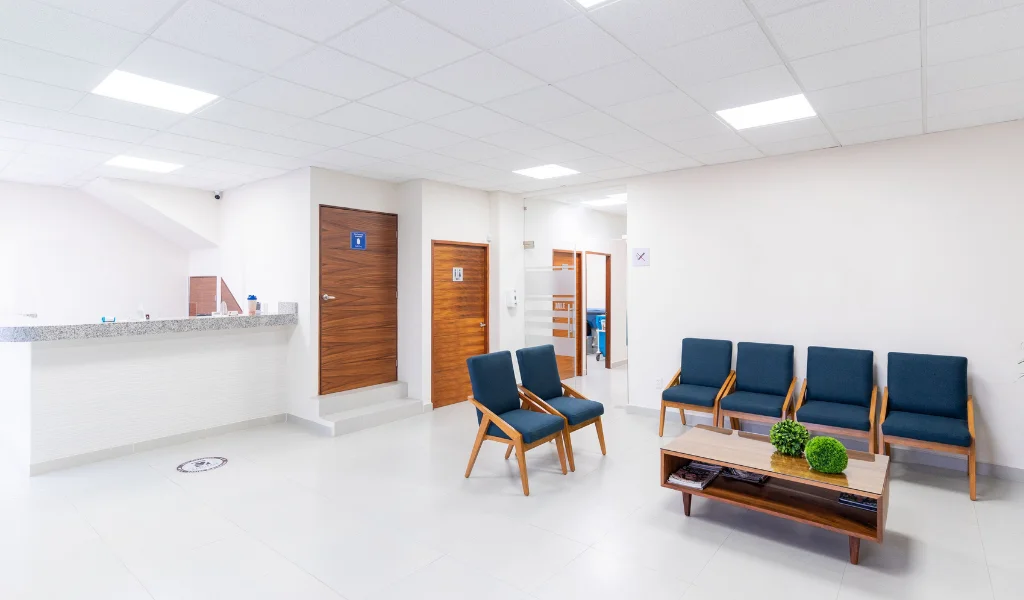


Global hiring platforms—like Employers of Record (EORs) and contractor marketplaces—are great for simplifying cross-border employment. However, building a dedicated team in Mexico requires a much broader operational foundation. To give you direct management control over your team, you need a strategy that covers recruiting, local HR, physical infrastructure, IT readiness, legal compliance, and ongoing local support.
Many companies entering Mexico view hiring as their primary milestone, only to realize that sustainable growth demands a much broader foundation. Assembling a dedicated, long-term team requires operational infrastructure, regional expertise, and scalable support that goes far beyond standard HR administration. Recognizing this void allows companies to select an expansion model aligned with their long-term goals.
Global Hiring Platforms Solve Employment—Not the Full Operating Model
Global hiring platforms have transformed international employment by making it easier to:
- Employ workers without creating a local legal entity
- Process payroll across multiple countries
- Manage employment contracts
- Support labor law compliance
- Administer statutory benefits
For organizations hiring one or two professionals internationally, these capabilities may be entirely sufficient.
However, employment infrastructure should not be confused with operational infrastructure.
Expanding from basic hiring to building a complete department in Mexico uncovers operational challenges that go far beyond the scope of a traditional global hiring platform.
| Employment Infrastructure | Dedicated Team Operations |
|---|---|
| Employment contracts | Local recruiting and candidate screening |
| Payroll administration | Team scaling strategy |
| Labor compliance | HR support and employee experience |
| Benefits administration | IT readiness and equipment provisioning |
| Employer of Record services | Office space or flexible workspace options |
| Legal employment framework | Procurement and facilities management |
| Cross-border payments | Long-term operational support |
The Operational Gap Appears After the First Hires
Hiring the first employee in Mexico is relatively straightforward. Building a cohesive team of 10, 25, or 50 professionals introduces a different set of operational requirements.
Companies often begin asking questions such as:
- How do we consistently recruit qualified candidates in Mexico?
- Who manages local onboarding?
- How do employees receive equipment and IT support?
- What happens when additional office space becomes necessary?
- How are HR matters handled locally?
- How can leadership maintain visibility while operating internationally?
- How do we preserve company culture across borders?
These challenges extend beyond payroll or compliance. They relate to creating an operational environment where employees can perform effectively while remaining fully integrated into the client’s organization.
Why Dedicated Team Expansion Requires Local Operating Support
A dedicated team acts as an extension of your business, not as an isolated third-party vendor. This deep integration requires several operational layers to work in perfect alignment.
1. Recruiting and Candidate Screening
Recruitment in Mexico requires local market expertise and strong employer branding. Instead of simply filling positions, the focus is on finding professionals who fit your specific technical requirements and organizational culture.
2. Human Resources Support
After hiring comes ongoing employee support, including:
- HR management
- Benefits administration
- Employee relations
- Performance support
- Local labor compliance
Strong HR processes contribute to employee engagement and retention, particularly during periods of rapid growth.
3. Payroll and Compliance
Handling payroll is a fundamental requirement, but it is only the baseline of cross-border operations. To maintain full legal standing in Mexico, businesses must navigate multiple requirements:
- Strict labor laws and corporate tax obligations
- Mandatory employee benefits and healthcare contributions
- Standardized employment documentation and contracts
- Ongoing regulatory compliance audits
Partnering with local experts removes administrative complexity and protects the organization against sudden shifts in compliance requirements.
4. Infrastructure and IT Readiness
Operational infrastructure is the foundation of a high-performing international team. Companies must establish a robust work environment that includes:
- High-speed, secure connectivity with backup power systems
- Comprehensive hardware provisioning and immediate technical support
- Fully managed physical assets, from workstations to conference rooms
- Secured access areas and adaptable workspace alternatives
Deploying these components before launch eliminates technical delays during employee onboarding and protects daily productivity.
5. Procurement and Facilities Management
Expanding a footprint in a new market requires a reliable operational foundation. A complete facilities strategy covers:
- Procurement of hardware and office supplies
- Layout optimization and cost analysis for future expansions
- Regular maintenance, cleaning, and vendor relationships
- Supervision of emergency protocols and local safety regulations
Handling these logistical tasks locally ensures that leadership teams can focus on managing people.
Client Control Is the Difference
One of the most significant distinctions between dedicated team expansion and traditional outsourcing is operational control.
With a dedicated team model:
- The client selects every employee.
- The client manages daily operations.
- The client defines workflows.
- The client establishes a company culture.
- The client evaluates performance.
- The client retains visibility into every business process.
The local operating partner supports the administrative and operational framework surrounding the team rather than managing the team’s work. This approach differs fundamentally from traditional Business Process Outsourcing (BPO), where operational management is typically transferred to the service provider.
It also differs from many employer-of-record platforms, whose primary responsibility ends with employment administration.
For organizations that consider culture, intellectual property, and operational consistency strategic assets, maintaining direct management becomes a significant advantage. This client-controlled operating model is a defining characteristic of Intugo’s approach to dedicated team expansion.
When a Global Hiring Platform May Be Enough
Global hiring platforms remain an excellent solution in many situations.
They are often appropriate when:
- The company plans to hire one to three remote employees.
- No physical workspace is required.
- Internal HR, IT, and onboarding capabilities already exist.
- Expansion into Mexico is limited in scope.
- Long-term operational scaling is not anticipated.
For these scenarios, employment infrastructure alone may adequately support business objectives.
When Companies Need Dedicated Team Expansion in Mexico
Dedicated team expansion becomes more appropriate when organizations plan to establish a long-term operation.
Typical indicators include:
Growing Team Size
Companies expect to build teams of:
- 10 professionals
- 25 professionals
- 50 or more employees
Scaling introduces operational complexity that extends beyond payroll administration.
Specialized Functional Teams
Organizations often build dedicated teams for different functions, such as:
- Accounting and Finance
- Healthcare Administration
- Legal Support
- Customer Service
- IT and Software Development
- Digital Marketing
Long-Term Expansion Strategy
Dedicated team expansion is particularly valuable when organizations want to:
- Maintain direct operational control.
- Build a company culture internationally.
- Access specialized Mexican talent.
- Receive continuous local support.
- Delay establishing a legal entity while building operations.
Rather than outsourcing business functions, companies create an extension of their existing organization.
Decision Matrix: Which Expansion Model Fits Your Business?
| Business Need | Global Hiring Platform | Dedicated Team Expansion |
|---|---|---|
| Hire 1–3 employees | ✓ Strong fit | Possible but often more than required |
| Build a department in Mexico | Limited | ✓ Strong fit |
| Direct day-to-day management | ✓ | ✓ |
| Local recruiting support | Limited | ✓ |
| HR administration | Basic | ✓ Comprehensive |
| Workspace flexibility | Rare | ✓ |
| IT and operational setup | Usually external | ✓ |
| Ongoing local operational support | Limited | ✓ |
| Long-term scalability | Moderate | ✓ Designed for growth |
Key Takeaways
Understand the structural gap: Traditional hiring platforms solve cross-border payroll, but cannot provide a complete operational foundation for integrated business departments.
Prepare for growth demands: Moving past your first few international hires requires a shift toward comprehensive infrastructure, local HR expertise, hardware provisioning, and continuous compliance.
Retain direct control: Utilizing a dedicated team expansion strategy allows you to maintain full management over day-to-day operations while leaving local administrative burdens to an on-the-ground partner.
Frequently Asked Questions
What Is the Difference Between a Global Hiring Platform and Dedicated Team Expansion?
A global hiring platform primarily focuses on employment administration, payroll, and legal compliance. Dedicated team expansion includes those services while also providing recruiting, HR support, operational and IT infrastructure, workspace options, and ongoing local support to help companies build and scale teams in Mexico.
Can Companies Build a Dedicated Team Without Opening a Legal Entity in Mexico?
Yes. Many organizations establish dedicated teams through a local operating partner, allowing them to recruit professionals, remain compliant with Mexican labor regulations, and maintain direct operational control without immediately creating a local subsidiary.
Is a Dedicated Team the Same as Traditional Outsourcing?
No. In a dedicated team model, employees work exclusively for one client, who manages daily operations, workflows, and company culture. The local partner provides administrative and operational support rather than managing the team’s work.
When Should a Company Move Beyond a Global Hiring Platform?
Organizations often consider a broader operational model when they expect to expand beyond a handful of employees, require specialized recruiting, need ongoing HR and infrastructure support, or plan to establish a long-term presence in Mexico.
Conclusion
Global hiring platforms have made international employment significantly more accessible, and for many organizations, they remain an effective solution.
But building a dedicated team in Mexico involves much more than employing people. Sustainable expansion requires recruiting expertise, HR support, operational infrastructure, IT readiness, compliance management, and local resources that allow teams to grow without increasing administrative complexity.
The difference is simple: employment enables hiring, while operational support enables organizations to build and scale dedicated teams.